

Stewed Pears with Honey & Cinnamon: A Traditional Chinese Medicine Recipe for Autumn
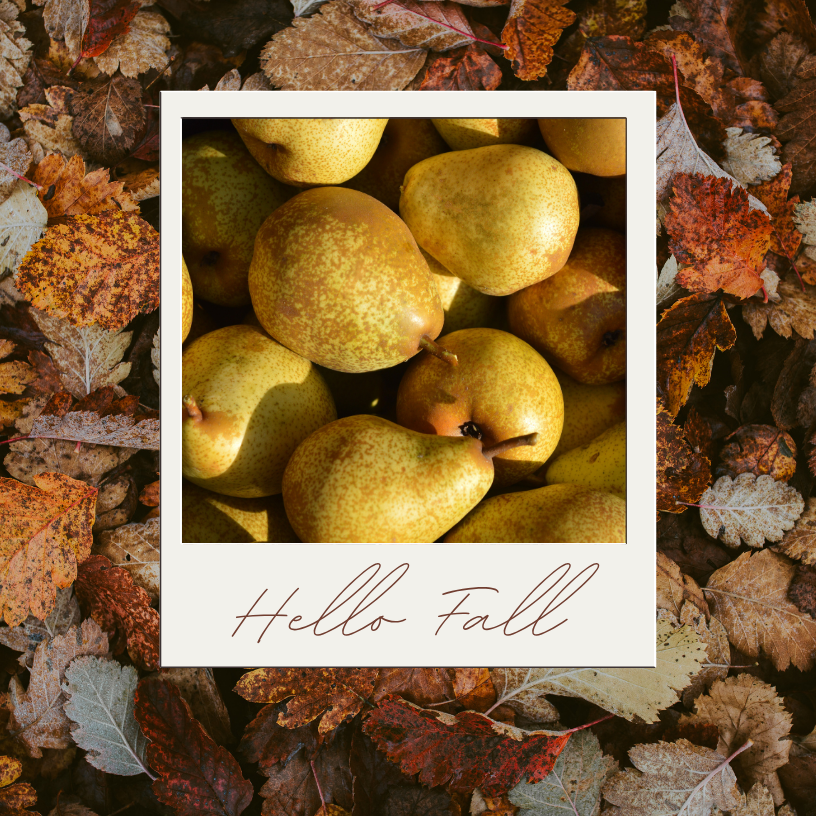
As the weather begins to cool and the air becomes increasingly dry, Traditional Chinese Medicine (TCM) encourages us to adjust the way we nourish our bodies.
Autumn is associated with the Lung and Large Intestine systems and the Metal element. It is a season characterized by contraction, inward movement, and letting go. The Lungs are considered particularly sensitive to dryness, making autumn an ideal time to incorporate foods and practices that nourish fluids and support the Lung system.
One of my favorite simple examples of Shi Liao (食疗), or Chinese food therapy, is the humble stewed pear.
Warm, soft, naturally sweet, and incredibly simple to prepare, stewed pears with a little honey and cinnamon make a lovely autumn dessert or nourishing snack.
Why Pears?
In Chinese dietary therapy, pears are traditionally valued for their cooling, moistening, and fluid-generating qualities. They are associated with the Lungs and are traditionally used to help address patterns of dryness, particularly dryness affecting the throat and Lungs.
This makes pears particularly appropriate during autumn, when the environment itself becomes cooler and drier.
In TCM terms, pear is often described as helping to:
Nourish Lung Yin
Generate fluids
Moisten dryness
Clear Lung Heat
Soothe a dry or irritated throat
This is one reason pears appear so frequently in traditional autumn food therapies.
In fact, traditional Chinese preparations of steamed pear with honey are commonly used as a food-based approach for dry cough and throat irritation associated with dryness.
Why Add Honey?
Honey has its own place in Chinese medicine and dietary therapy.
From a TCM perspective, honey is sweet and moistening and is traditionally associated with the Lung, Spleen, and Large Intestine systems. It is valued for its ability to moisten and soothe, making it a natural complement to pear when the goal is to nourish fluids and counter dryness.
Together, pear and honey create a particularly gentle combination:
Pear provides moisture and fluids, while honey adds additional moistening and soothing qualities.
This combination is especially lovely when the throat or respiratory system feels dry during the transition into autumn.
And What About Cinnamon?
Here's where this recipe gets interesting from a Chinese medicine perspective.
Cinnamon is quite different from pear and honey.
While pear is cooling and moistening, cinnamon is warming and aromatic. In TCM, cinnamon is traditionally used to warm and invigorate, particularly in situations involving cold.
So why put them together?
Because autumn isn't simply about adding as much Yin and moisture as possible. As the weather becomes colder, we also want our food to feel warm, cooked, comforting, and easy to digest.
A small amount of cinnamon provides warmth and beautiful flavor while balancing the naturally cooling nature of pear.
In other words, this isn't about turning the pear into a medicinal formula. It's about creating a seasonally appropriate food therapy: moistening and nourishing, while also warm, comforting, and easy to enjoy.
For people who tend toward signs of internal Heat or significant dryness, however, more cinnamon isn't necessarily better. Chinese dietary therapy is always individualized according to the person's constitution and pattern.
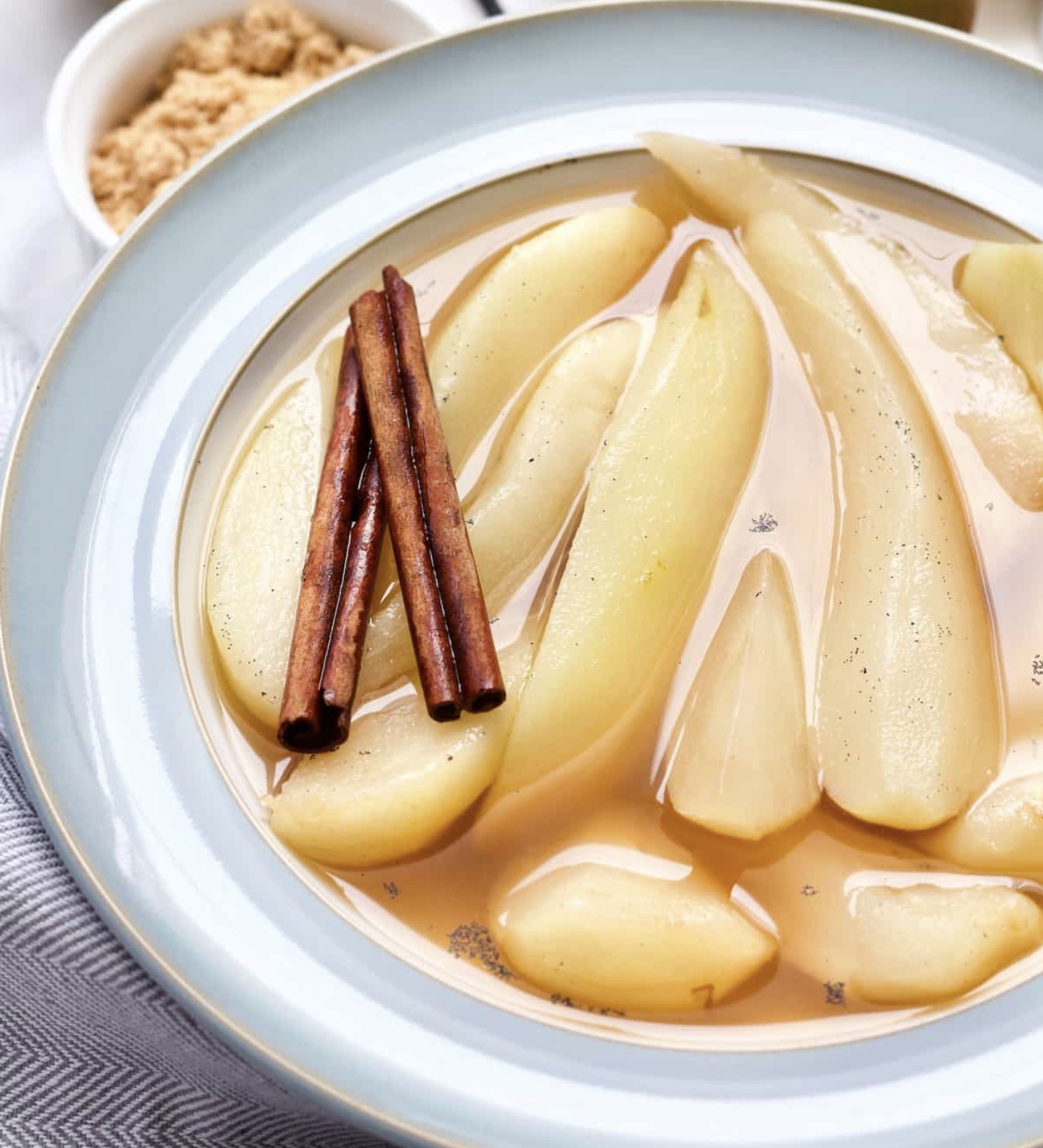
Stewed Pears with Honey & Cinnamon
Ingredients
Serves 2
2 ripe pears — Asian pears are a wonderful choice, although Bartlett, Anjou, or other ripe pears work beautifully
1–2 teaspoons raw honey
1 cinnamon stick or ¼ teaspoon ground cinnamon
½ cup water
Optional: a few goji berries or jujube dates for additional nourishment
Instructions
Wash and prepare the pears.
Peel if desired, then cut the pears in half and remove the cores. You can also leave the skin on if you prefer.Add to a saucepan.
Place the pears in a small saucepan with approximately ½ cup of water and add the cinnamon stick.Simmer gently.
Cover and simmer over low heat for approximately 15–20 minutes, or until the pears become soft and tender.Finish with honey.
Remove from the heat and allow the pears to cool slightly. Drizzle with honey while still warm.Enjoy warm.
Spoon the warm pear and its flavorful cooking liquid into a bowl and enjoy as an autumn breakfast, snack, or light dessert.
Tip: If using raw honey, adding it after cooking preserves more of its delicate qualities and keeps the flavor bright.
Making Food Your Medicine
One of the things I love about Chinese medicine is that supporting your health doesn't always have to mean doing something complicated.
Sometimes it looks like a warm bowl of soup.
Sometimes it's going to bed a little earlier.
Sometimes it's taking a few slow breaths.
And sometimes it's simply cooking a pear.
Shi Liao (食疗) reminds us that food can be more than calories. The temperature, flavor, preparation method, season, and individual qualities of a food can all be considered when choosing how to nourish the body.
As autumn brings cooler temperatures and drier air, consider bringing more warm, cooked, moistening foods into your kitchen.
Let the season be an invitation to slow down, nourish your Yin, protect your Lungs, and make space for rest.
And if you find yourself with a few extra pears this fall, you now have a delicious way to put that philosophy into practice. 🍐
A note from your Acupuncturist on Chinese food therapy: Food therapy is a traditional component of Chinese medicine, but dietary recommendations are not one-size-fits-all. The same food that is supportive for one person may not be appropriate for another depending on their constitution, digestion, and underlying TCM pattern. If you are experiencing a persistent cough, difficulty breathing, fever, or other concerning respiratory symptoms, please seek appropriate medical care rather than relying on food therapy alone.